FUSE
The internal parts of modern current-limiting fuses do not require maintenance. There are no adjustments or settings necessary—or possible. However, like all electrical components, the integrity of fuses can be negatively affected by the surrounding environment and components. That’s why it is important to periodically
check fuse bodies, fuse mountings/ clips and adjacent conductor terminations for signs of overheating, poor connections or insufficient conductor ampacity.
Always have spare fuses of the correct type and ampere rating readily available. For critical circuits, it is best to keep ample spares in a cabinet marked “spare fuses” near the electrical equipment. Also, label the equipment with the proper fuse type and ampere rating. Fuses from different manufacturers should not be mixed in usage since the claims for selective coordination by individual manufacturers are applicable only to their respective products. A continuity tester can verify that a fuse has not opened.
PRECAUTION WHILE REPLACING THE FUSES
The following safety precautions will prevent injury to personnel and damage to equipment. Theseare the MINIMUM safety precautions for replacing fuses.
- Be sure the power is off in the circuit and the circuit is discharged before replacing a fuse.
- Use an identical replacement fuse if possible.
- Remove any corrosion from the fuseholder before replacing the fuse.
- Be certain the fuse properly fits the fuseholder.
PREVENTIVE MAINTENANCE OF FUSES
Preventive maintenance of fuses consists of checking for the following conditions and correcting any discrepancies.
- IMPROPER FUSE : Check the fuse installed against that recommended in the technical manual for the equipment. If an incorrect fuse is installed, replace it with the correct fuse
- CORROSION : Check for corrosion on the fuseholder terminals or the fuse itself. If corrosion ispresent, remove it with fine sandpaper.
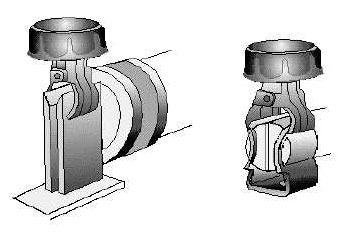
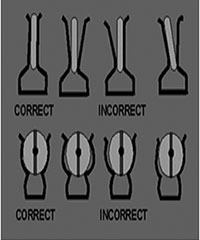
- IMPROPER FIT : Check for contact between the fuse and fuseholder. If a piece of paper will fitbetween the fuse and the clips on a clip-type fuseholder, there is improper contact. If the fuse isnot held in the cap of a plug-type fuseholder, the contacts are too loose.
- OPEN FUSES : Check fuses for opens. If any fuse is open, repair the trouble that caused the openfuse and replace the fuse.


 9940040090